Crate Tool Essentials: Build Your Toolbox with Useful Tools

Building a useful toolbox takes time. Whether you are a professional tradesperson, an experienced DIYer, or someone who simply likes being prepared for repairs around the house, having a reliable selection of tools can make a major difference. A crate tool collection provides a practical way to expand your setup with tools that can handle everyday repairs, maintenance, automotive work, workshop projects, and more.
The key is not simply owning as many tools as possible. A better approach is choosing useful tools that serve a clear purpose and keeping them organised so they are ready when needed. From screwdrivers and pliers to measuring tools and specialty items, a well-planned collection can help you tackle a wider range of projects.
What Is a Crate Tool Collection?
A crate tool collection can include different hand tools, accessories, and workshop essentials brought together to help expand your existing toolbox. Instead of focusing on a single type of equipment, a varied collection gives you access to tools suited to different jobs.
For someone starting a toolbox, this can help introduce essential items they may not already own. For experienced tool users, it can provide an opportunity to discover additional tools and accessories that complement their current setup.
The goal is simple: build a collection that is practical, versatile, and ready for real projects.
Start With Essential Hand Tools
Every toolbox needs a strong foundation. Before adding highly specialised equipment, make sure you have the hand tools needed for common jobs.
Screwdrivers are a good starting point. Phillips and flat-head screwdrivers in multiple sizes can handle furniture assembly, appliance panels, fixtures, hardware, and general repairs.
Pliers are equally valuable. Needle-nose pliers are helpful for reaching tight areas, while combination or slip-joint pliers can grip, twist, and turn different materials.
A claw hammer, adjustable wrench, hex keys, and utility knife can further strengthen your collection. These tools are useful across many projects and make a crate tool selection more versatile.
Add Measuring and Marking Tools
Good results often begin with accurate measurements. Even the best cutting or fastening tools cannot compensate for incorrect dimensions.
A reliable tape measure is one of the most useful additions to a toolbox. It can help with measuring walls, materials, furniture, equipment, and project spaces.
A level is another valuable item, particularly when installing shelves, pictures, cabinets, or other fixtures. Marking pencils and similar accessories can also help you plan cuts, drilling points, and installation positions.
These may seem like simple tools, but they can play an important role in achieving cleaner, more accurate results.
Choose Tools for Your Typical Projects
Not everyone needs the same toolbox. Your ideal crate tool collection should reflect the projects you actually complete.
A homeowner may prioritize tools for furniture assembly, basic plumbing, hanging shelves, and household maintenance. Someone interested in automotive projects may prefer sockets, wrenches, extensions, and other mechanical tools. Woodworking enthusiasts may need clamps, measuring equipment, cutting tools, and layout accessories.
Think about the tasks you perform regularly and identify gaps in your existing collection. This approach helps ensure that new tools have a practical purpose rather than simply taking up storage space.
Look for Versatility
Versatile tools can perform several functions, making them especially valuable when space is limited.
An adjustable wrench, for example, can work with several sizes of nuts and bolts. Multi-bit screwdrivers provide different driver options without requiring numerous individual handles. Combination pliers can handle gripping, bending, and cutting tasks.
Versatility does not mean one tool should replace every specialised option. Instead, versatile tools create a flexible foundation that can be supplemented with job-specific equipment when needed.
When evaluating a crate tool, consider how frequently you could realistically use it and whether it adds a new capability to your toolbox.
Consider Tool Quality and Construction
A useful tool should be suitable for its intended task. Construction quality, materials, ergonomics, and durability are all worth considering.
Handles should provide a comfortable grip, particularly for tools that require repeated force or extended use. Moving components should operate smoothly, while measuring tools should have clear, readable markings.
It is also important to use each tool according to its intended purpose and manufacturer guidance. Using the wrong tool for a job can damage the equipment, materials, or fasteners and may create unnecessary safety risks.
Building a better toolbox is about selecting appropriate tools and using them correctly.
Keep Your Tool Collection Organised
Even an excellent collection becomes frustrating if you cannot find what you need.
Toolboxes, drawer cabinets, pegboards, wall storage, and portable bags can all help keep your equipment organised. Grouping similar items together is a simple strategy. Keep screwdrivers in one section, sockets in another, and measuring tools in a designated location.
Small accessories such as bits, blades, fasteners, and adapters can be stored in labelled compartments.
An organised crate tool collection makes it easier to see what you already own. This can prevent unnecessary duplicate purchases and help you quickly identify tools that are missing.
Maintain Your Tools Properly
Proper maintenance can help tools remain useful for longer.
After completing a project, wipe away dirt, grease, moisture, or debris before storing your equipment. Cutting tools should be kept appropriately sharp, while worn or damaged components should be replaced when necessary.
Tools with moving parts may require occasional maintenance according to the manufacturer's instructions. Metal tools should generally be kept in a dry storage environment to reduce the risk of corrosion.
A few minutes of care after each project can make your entire collection easier to use the next time you need it.
Expand Your Toolbox Gradually
You do not need a massive tool collection immediately. In many cases, gradually expanding your toolbox is the more practical approach.
Start with the essentials and add new items as your projects become more varied. When you encounter a task that requires a specific tool, consider whether that tool could also be useful for future jobs.
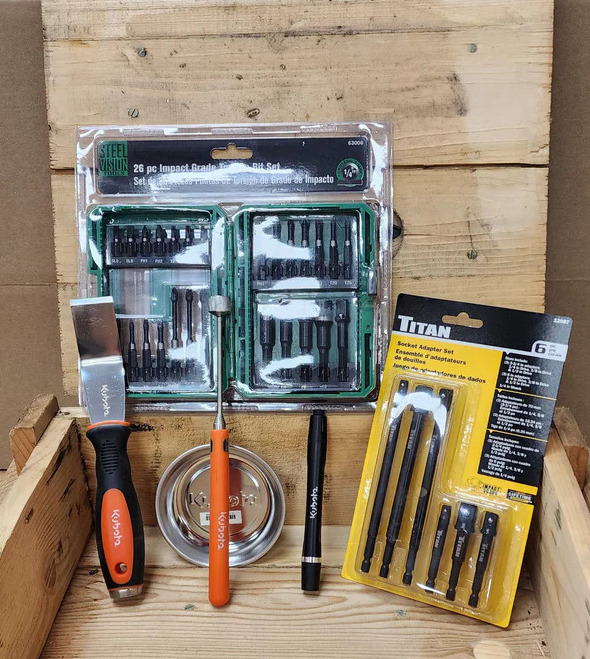
A monthly crate tool approach can make expanding a collection more interesting by introducing different tools and accessories over time. This can be particularly appealing to people who enjoy trying new equipment or discovering tools they might not have selected individually.
Create a Toolbox for Home Repairs
A household toolbox does not need to be complicated. A practical setup might include a hammer, screwdrivers, pliers, an adjustable wrench, tape measure, level, utility knife, hex keys, and a selection of commonly used fasteners.
With these basics available, you can handle many routine jobs such as tightening loose hardware, assembling furniture, measuring spaces, hanging decorations, and making minor adjustments.
As your skills and projects grow, you can add more specialised tools based on your needs.
Build a Workshop Collection
If you regularly work in a garage or workshop, your needs may go beyond a basic household kit.
Sockets, ratchets, wrench sets, clamps, precision measuring tools, specialty pliers, and other equipment can expand what you are able to accomplish. Organised storage also becomes increasingly important as the collection grows.
A crate tool can complement this process by adding useful items to an established setup. The important thing is to focus on tools that match your projects rather than simply accumulating equipment.
Why Tool Variety Matters
Different projects require different approaches. A tool that works perfectly for one repair may be unsuitable for another.
Having a varied collection means you are less likely to improvise with equipment that was not designed for the task. The right tool can improve accuracy, efficiency, and convenience while helping protect materials and fasteners from unnecessary damage.
A balanced toolbox should contain everyday essentials alongside selected specialty tools that reflect your interests and typical projects.
Frequently Asked Questions
What is a crate tool?
A crate tool generally refers to a tool or piece of equipment included as part of a curated tool crate or collection. Items may include hand tools, workshop accessories, measuring equipment, or other practical gear.
What tools should every basic toolbox contain?
A basic toolbox can include screwdrivers, pliers, a claw hammer, an adjustable wrench, a tape measure, a level, hex keys, and a utility knife. Additional tools can be added according to your projects.
How do I choose useful tools for my collection?
Consider the types of repairs or projects you complete most often. Prioritize tools that fill a genuine need, provide useful functionality, and are appropriate for the intended task.
How should I organise my tools?
Use a toolbox, tool chest, pegboard, wall storage system, or drawer organiser. Grouping similar tools together makes them easier to locate and helps you keep track of your collection.
Is a monthly tool crate suitable for DIYers?
A monthly tool crate can appeal to DIYers who enjoy expanding their collection and discovering different tools or accessories. The usefulness depends on the types of tools included and the projects the individual regularly completes.
How can I make my tools last longer?
Keep tools clean and dry, store them properly, inspect them for damage, and follow manufacturer recommendations for maintenance. Avoid using tools for jobs they were not designed to perform.
Conclusion
Building a useful toolbox is an ongoing process. Start with dependable hand tools, add measuring and marking equipment, keep everything organised, and expand your collection based on the projects you actually complete.
A thoughtfully selected crate tool collection can help DIYers, homeowners, mechanics, and tool enthusiasts discover practical additions for their setup. Instead of filling your toolbox with items you rarely use, focus on versatility, purpose, quality, and proper maintenance.
For tool enthusiasts who enjoy adding useful gear to their collection, ToolHeadsCrate offers monthly tool crates featuring practical tools without the unnecessary filler. It provides a convenient way to discover new additions while steadily building a more capable toolbox.


Comments
Post a Comment